
Illustrative industry concepts · no client results or endorsements implied.

Restaurants & F&B

Built for someone standing outside, deciding where to eat

Menus that load instantly on a phone, hours and location impossible to miss, and ordering or booking in two taps.
Mobile First
Fast Loading
Direct Ordering
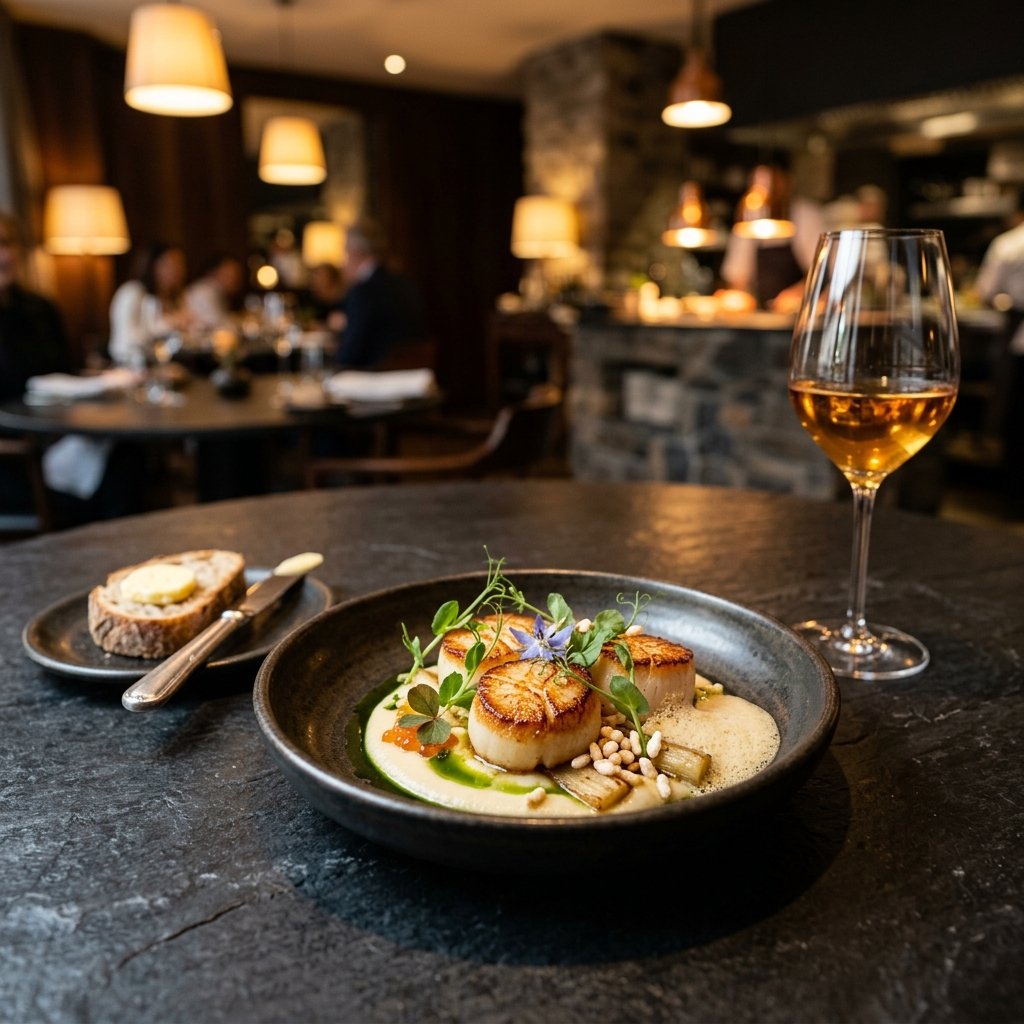
High-end gourmet restaurant dish
Open Now • Kitchen till 10:30 PM

4.9 Star Rating

Use genuine reviews supplied by the restaurant

INDUSTRY INSIGHTS

What we see in restaurants

Restaurant websites get used in a very specific way — someone on a street, on their phone, choosing where to eat in the next ten minutes. Almost every problem with restaurant sites comes from being built for a laptop instead.
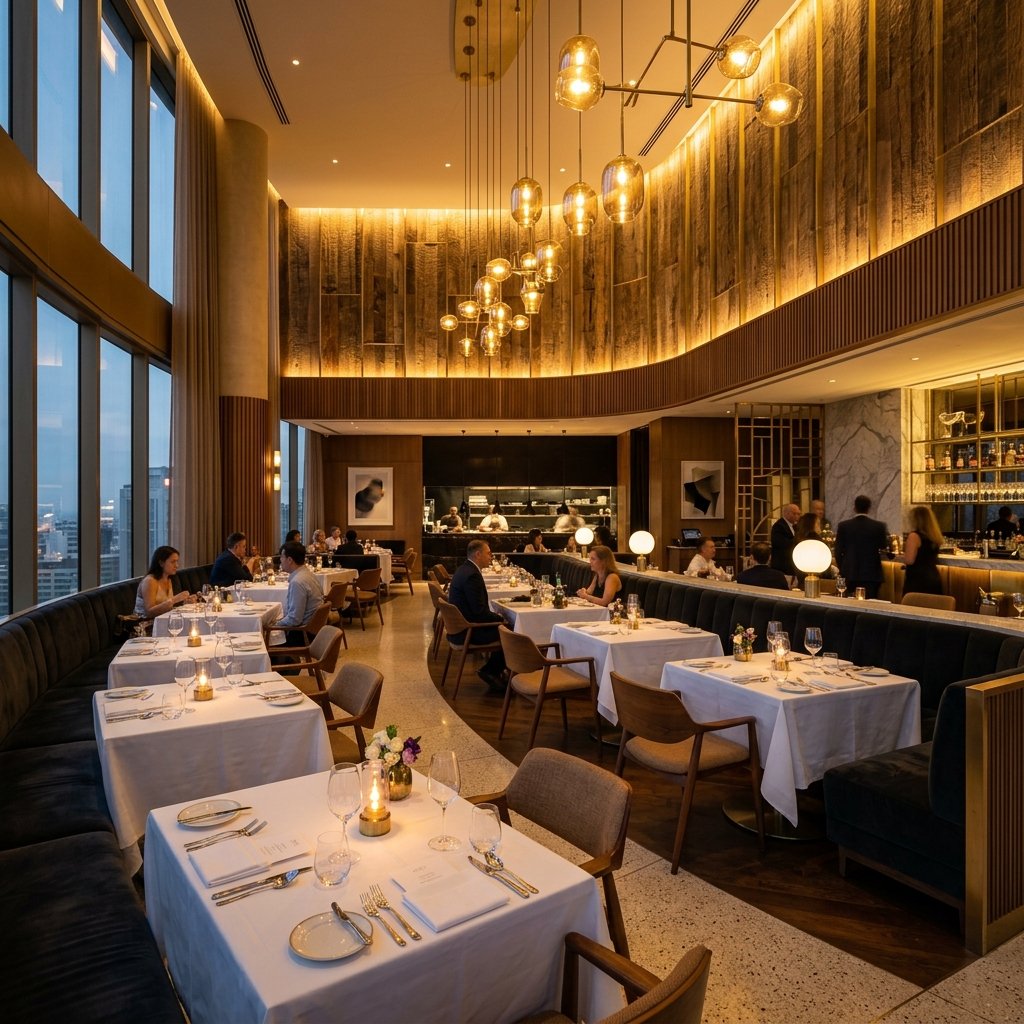
Restaurant dining experience

Operational Clarity

Turn Mobile Browsers Into Dining Tables

High Bounce Rate

PDF Menu

The menu as a PDF. Still remarkably common, and it fails completely on mobile. It opens in a separate viewer, requires pinching and zooming, and often doesn't open at all. If someone can't read your menu in five seconds, they check the next restaurant.

Lost Customers

Hidden Hours

Hidden hours. Whether you're open right now is the most urgent question a visitor has, and it's frequently buried in a footer or an image that search engines can't read.

Friction Point

Buried Location

Buried location. Address, parking, and a working map link — needed immediately, often three clicks deep.

Margin Loss

Ordering Friction

Ordering friction. Third-party ordering links that break, or checkout flows requiring account creation before someone can buy a sandwich.

OUR METHODOLOGY

How we approach it

Mobile first, genuinely — designed for a phone held one-handed, then adapted upward.

NymBiTe demo

Active Step MOBILE PERFORMANCE

Mobile-Optimized Layout

Responsive layouts and performance checks on the agreed mobile devices.

  • Responsive layout
  • Touch-friendly targets
  • Ultra-fast performance

PROJECT CAPABILITIES

Common projects

Engineered web solutions built specifically for restaurants, dining groups, and cloud kitchens.
CORE SOLUTION

Restaurant websites

Menu, hours, location, gallery, contact and booking.

Menu, hours, location, gallery, contact and booking.

01 / Capability →
DIRECT SALES

Online ordering

Direct ordering on your own site, or platform integration.

Direct ordering on your own site, or integration with a platform you already use.

02 / Capability →
ZERO FEES

Reservation systems

Table booking connected to your system or standalone.

Table booking connected to your existing system or built standalone.

03 / Capability →
GROUP SITE

Multi-location groups

Individual pages per location with shared brand.

Individual pages per location with shared brand and content management.

04 / Capability →
FULL CONTROL

Delivery and takeaway pages

Focused flows for order-ahead and collection.

Focused flows for order-ahead and collection.

05 / Capability →

CRITICAL ELEMENTS

What tends to matter most

Menu on the Page

Menu on the page. Readable instantly, no downloads, no zooming. Updatable by your team the same day a price changes.

Essential Feature

Open Now, Clearly

Open now, clearly. Current status visible immediately, with full hours easy to find.

Essential Feature

One-Tap Calling

One-tap calling. A phone number that dials when tapped. Many bookings still happen by phone.

Essential Feature

Working Directions

Working directions. Address linked to maps, opening the visitor's default app.

Essential Feature

Fast Food Photography

Food photography that loads fast. Restaurant sites are image-heavy by nature — optimisation is the difference between appetising and abandoned.

Essential Feature

Ordering Without Obstacles

Ordering without obstacles. No forced account creation, minimal steps, mobile-tested checkout.

Essential Feature

ORDERING INTEGRATION

A note on ordering platforms

Ordering links or integrations can be included after reviewing your provider, workflow, API access and recurring fees. These details are agreed before development.

Marketplaces & Aggregators

Third-Party Apps

Third-party ordering platforms set their own fees, customer data access and terms. Review those alongside the costs of a direct ordering setup.

  • • Platform and payment fees apply
  • • Data access follows provider terms
  • • Available features depend on the platform

Direct Restaurant Ordering

Your direct NymBiTe website

Direct ordering can connect to an agreed provider or POS integration. Provider charges, data access and ongoing costs are reviewed before the build.

  • • Provider and payment fees assessed
  • • Data access and permissions agreed
  • • Ordering links or integrations scoped separately
Fees
Set by the platform
Provider and payment fees reviewed
Order handling
Platform workflow
Agreed links or integration
Page updates
Platform options
Agreed website content
Data access
Platform terms
Provider permissions reviewed
Technical support
Platform support terms
Separately scoped Website Care

The Realistic Position

The right setup depends on how your staff receive, confirm and fulfil orders. We review the existing tools and explain the website work needed.

A website can link to your current provider or use an integration when supported. Provider subscriptions, payment fees and operational responsibilities are confirmed separately.

PLAN A VISIT

Help diners plan a visit

Put menus, opening hours, directions and contact actions together so visitors can find practical information before they arrive.

Restaurant website essentials

Practical information for your visitors

Website content

Restaurant details

Present the restaurant name, address and contact details consistently across the website.

Opening hours

Show current opening hours and any holiday changes supplied by your team.

Map directions

Link the confirmed address to a map so visitors can plan their journey.

Readable menus

Make current menu information easy to browse on a phone.

Contact and bookings

Provide clear call links and connect an agreed reservation provider where needed.

DELIVERY ROADMAP

Typical timeline

Confirmed after discovery, for a standard restaurant website. Online ordering and multi-location groups take longer.
01

Confirmed after discovery

For a standard restaurant website. Scope is set once we understand your menu, locations, and booking needs.

Phase 001 Complete

02

Online ordering

Adds time when you want direct ordering on your own site or platform integrations.

Phase 002 Complete

03

Multi-location groups

Individual pages per location with shared brand and content management take longer to plan and build.

Phase 003 Complete

04

Launch readiness

Testing, CMS training, and go-live happen after discovery confirms the full scope.

Phase 004 Complete

Before we begin

A few useful answers.

How long does a website take?

The timeline depends on the pages, functionality, content readiness and review rounds. We agree a schedule after discovery rather than promise the same delivery date for every project.

How is the project scoped?

We discuss the business problem, audience, pages and functionality, then put deliverables, exclusions, review rounds, timeline and costs in a proposal. Additional work is agreed separately.

Who owns the website after launch?

Ownership, source files, access and handover are set out in the project agreement. Your domain and hosting can remain in your accounts. Third-party tools keep their own licensing terms.

Can you work with our hosting and domain provider?

We review your current setup first. If it supports the proposed build, we can plan around it. Any migration or additional hosting cost is discussed before work starts.

Can we update content ourselves?

Yes, when content editing is part of the agreed scope. We can use a CMS for your pages, posts or other content and include an editing walkthrough at handover.